
Ocean Freight from China: FCL & LCL
Compare full-container and shared-container shipping from China, with USA and Brazil route planning and a clear breakdown of port and inland costs.
Content updated: · HANTANG
On this page
FCL or LCL for your shipment
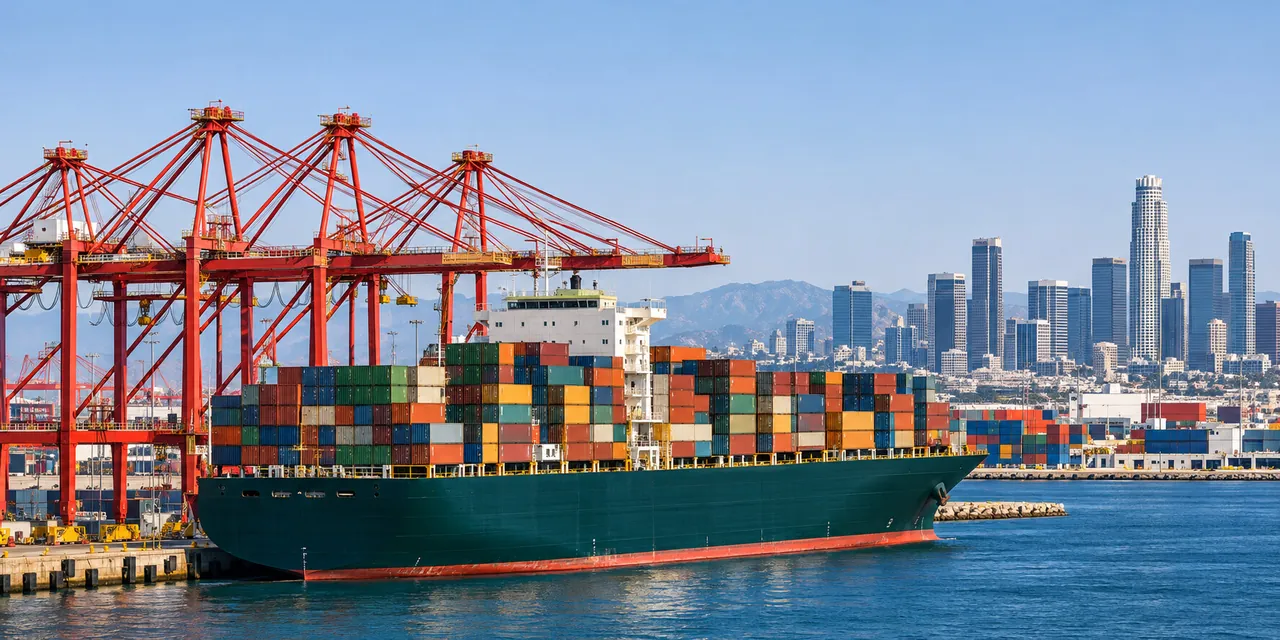
FCL reserves a container for the shipment; LCL shares container space with other cargo. Compare the total landed logistics cost rather than an ocean-freight line alone. There is no universal volume at which FCL always becomes cheaper: destination charges, cargo density and collection costs also matter.
Reference: DHL — Chargeable weight
Port-to-port and door delivery
Specify the supplier address, loading port, destination port and delivery postcode. An ocean transit estimate runs between defined milestones and does not automatically include consolidation, customs release or inland transport. Ask for the sailing, cut-off date and separate destination-delivery allowance.
Charges to compare before booking
Request a breakdown of collection, export documentation, terminal handling, ocean freight, destination handling, customs brokerage and delivery. Clarify container free time, storage, demurrage and detention terms. Inspection, storage and other conditional charges should have an agreed payer.
Compare LCL and FCL beyond the ocean rate
| Question | LCL | FCL |
|---|---|---|
| Space and loading | Share container space; confirm consolidation and cargo compatibility | Confirm container type, loading plan, payload and securing |
| Origin and destination | Check consolidation and deconsolidation charges | Check terminal, trucking and container-return charges |
| Timing | Allow for consolidation and cargo release after unloading | Confirm sailing, cut-off, release and container return |
| Decision | Compare total shipment cost at the required delivery milestone | Use the same addresses, cargo and scope for comparison |
LCL billing example: assumptions, not a quotation
Assume 10 cartons of 60 × 40 × 50 cm and total gross weight of 180 kg. Total volume is 10 × 0.60 × 0.40 × 0.50 = 1.20 m³; weight is 0.18 metric tonnes. If the quoted W/M tariff bills the larger of cubic metres and metric tonnes, the quantity is max(1.20, 0.18) = 1.20 revenue tonnes before minimums. An assumed minimum of 2 revenue tonnes would make that charge 2 units. Actual ratios, minimums, rounding and destination fees must be confirmed; this example supplies no price.
Reference: DHL — Chargeable weight
Ocean milestones and costs to agree
| Milestone / cost | Confirmation needed |
|---|---|
| Before loading | Cargo-ready date, warehouse cut-off, documents and cargo acceptance |
| Sailing and arrival | Booked route, transshipment, estimated arrival and release arrangements |
| Destination handling | Terminal or deconsolidation, customs brokerage and delivery scope |
| Free time and equipment | Applicable storage, demurrage, detention and return location |
| Exceptions | Responsibility and approval process for inspection, storage and rescheduling |
Prepare an ocean-freight enquiry
Provide the commodity, value, origin, package sizes, volume and gross weight, pickup city and final postcode. State stackability, loading access, intended container type if known, ready date and trade term. Ask for separate origin, ocean, destination and inland charges, plus minimums and free-time conditions.
Questions before booking
At what volume should I choose FCL?
There is no universal break-even volume. Compare complete LCL and FCL quotes, loading needs, cargo compatibility and destination costs for the same shipment.
Are destination charges included in a port quote?
Read the itemized scope. Confirm deconsolidation or terminal fees, customs, pickup and final delivery separately rather than inferring them from the ocean rate.
What should I check about free time?
Ask when each allowance starts, how days are counted, which charges apply afterwards and where equipment must be returned. Confirm terms for the booked carrier and terminal.
What happens if cargo misses the cut-off?
Ask for the next available sailing and a revised plan. Confirm storage, handling and any booking-change costs before accepting the alternative.
From enquiry to delivery
1. Share the cargo details. 2. Compare routing and an itemized quote. 3. Confirm documents and booking. 4. Follow collection, transport, clearance and delivery against the agreed milestones.
What to send for a useful quote
Send the commodity and proposed HS/HTS code, supplier city, destination postcode, carton count, dimensions, gross weight, cargo-ready date and delivery deadline. Mention the Incoterm and any batteries or restricted materials.
Request a shipment quote